

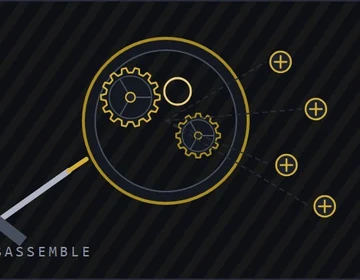
Step 1
Disassemble
Let the power down, open the case and strip the movement in a recoverable order.
Everything on the site falls into one of these groups. Start wherever your current problem lives.
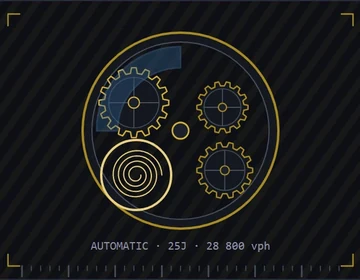
Movements & Calibers
Power, transmission, escapement and oscillation — the engine room of a mechanical watch.
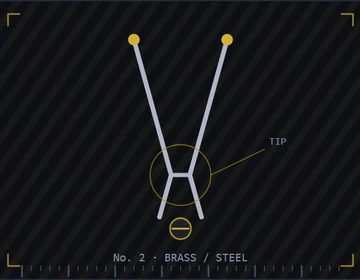
Hand Tools & Tweezers
Grip, leverage, magnification and control — what your hands actually trust on the bench.
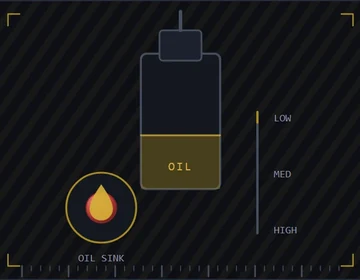
Lubricants & Cleaning
Strip contamination, then put the right film back in the right place.

Cases, Dials & Hands
Sealing, glazing and the face you actually read — the exterior that protects the work.
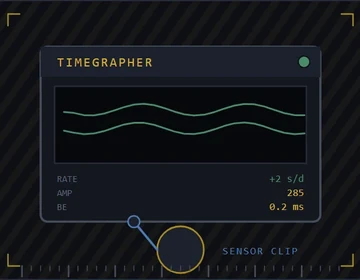
Testing & Regulation
Prove the job before the case goes back on — measure, then adjust only when the numbers ask.
A service always runs this way. Skipping a stage is how a movement comes back worse than it went in.
Disassemble
Let the power down, open the case and strip the movement in a recoverable order.
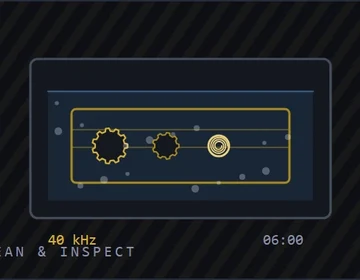
Clean & inspect
Remove old oil and debris, then look at every pivot and jewel under magnification.

Lubricate & assemble
Put the right lubricant in the right place, in the right quantity, and rebuild.
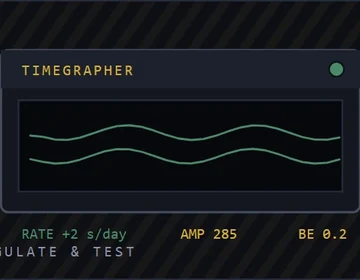
Regulate & test
Measure amplitude, rate and beat error — then adjust only if all three warrant it.
Nine entries that come up most often when a service goes wrong.
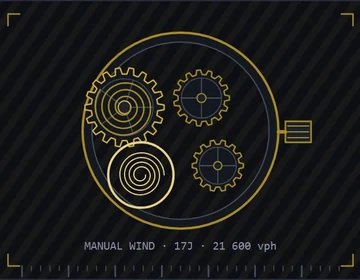
The Hand-Wound Movement Built for Deliberate Power
Crown, ratchet and click turn your fingers into stored torque — simple, transparent and honest about when it needs winding.
The Dumont Tweezers Every Bench Eventually Owns
Tip number, steel and alignment decide whether you place a screw or launch it — these are hands, not accessories.
The Watch Oil That Belongs in Drops, Not Floods
Low-viscosity oils for jewels and pivots — quantity is the skill, chemistry is only half the story.
The Self-Winding Movement That Keeps Itself Alive
A rotor turns everyday wrist motion into mainspring tension — and that is why a daily wearer rarely needs the crown.
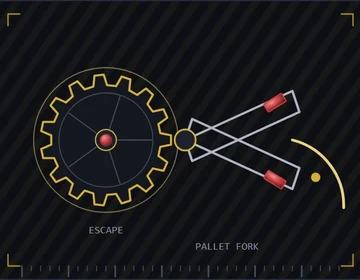
The Escapement That Meters Every Tick
Escape wheel, pallet fork and impulse faces turn continuous torque into counted beats — this is where energy becomes time.
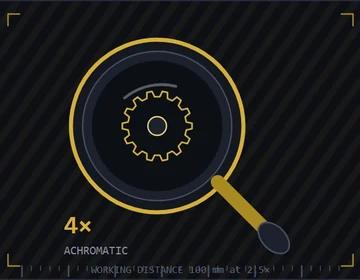
The Loupe You Should Buy Before Fancy Gadgets
Hands-free magnification turns guesswork into inspection — start at 2.5× or 4× and only climb when the surface demands it.

The Mainspring Barrel That Holds the Watch’s Fuel
A coiled spring inside a toothed drum feeds the whole train — service this carefully or nothing downstream will behave.
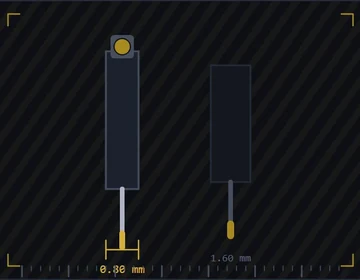
The Screwdriver Set That Separates Screws from Ruined Slots
Blade width, tip dressing and vertical pressure decide whether a screw turns — or becomes scrap brass.
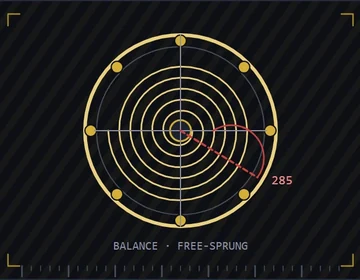
The Tiny Wheel That Sets the Watch’s Pace
Mass, hairspring and timing screws decide the rate — get this oscillator wrong and every other adjustment is theatre.