
The Watch Oil That Belongs in Drops, Not Floods
Low-viscosity oils for jewels and pivots — quantity is the skill, chemistry is only half the story.
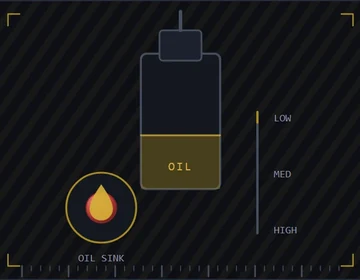
Specification
| Viscosity grades | Low · medium · high (product-specific) |
|---|---|
| Application points | Jewel bearings · pallet faces |
| Typical quantity | Partial fill of the oil sink |
| Temperature range | −10 °C to +60 °C typical |
| Shelf life, sealed | 2 – 5 years |
| Shelf life, opened | 1 – 2 years |
| Migration resistance | Formulated to resist spreading |
| Base | Synthetic, non-oxidising |
Overview
Watch oils reduce friction at pivots and jewels where metal would otherwise grind. Modern synthetics stay stable longer than older formulas, but the wrong oil in the wrong place still ruins amplitude.
The classic mistake is generosity. A jewel cup wants a controlled film, not a lake that creeps onto the plate. Train your oiler until a ‘drop’ means the same thing every time.
Shelf life and contamination matter. Caps left open collect dust that becomes grit inside a jewel.
What matters about it
- Viscosity must match the contact
- Too much oil migrates and attracts dirt
- Clean surfaces before oiling — oil does not clean
- Different oils for different train sections
- Labelling bottles prevents expensive mix-ups
Practical notes
- Oil after cleaning and inspection, never to hide noise.
- Wipe the oiler tip between different grades.
- Follow caliber charts when they exist; guess less.
- Store upright, capped, away from heat.
More in Lubricants & Cleaning
The Grease That Quietens Keyless Works
Thicker lubricants for stems, clicks and high-load contacts — not a substitute for oil in jewel holes.
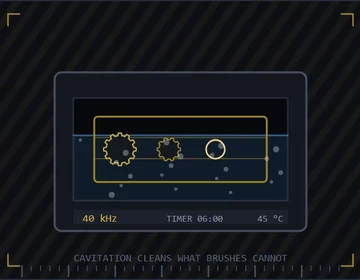
The Ultrasonic Cleaner That Shakes Dirt Loose
Cavitation reaches places brushes miss — used carefully it saves hours; used blindly it ruins finishes.
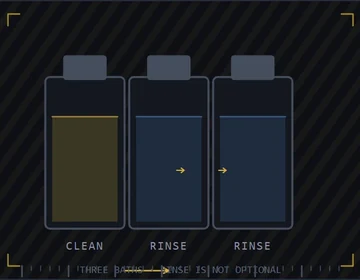
The Cleaning Solution That Actually Removes Old Oil
Solvent blends dissolve sludge from plates and wheels — rinse chains matter as much as the first bath.
The Cleaning Basket That Keeps Parts in Order
Compartments survive the ultrasonic cycle so reassembly order does not become a puzzle on the towel.