The Screwdriver Set That Separates Screws from Ruined Slots
Blade width, tip dressing and vertical pressure decide whether a screw turns — or becomes scrap brass.
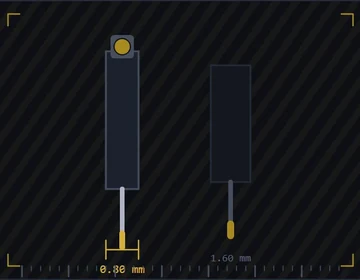
Specification
| Blade range | 0.50 – 3.00 mm |
|---|---|
| Typical set size | 4 – 10 drivers |
| Blade profiles | Parallel · countersunk · half-round |
| Blade material | Hardened steel |
| Handle | Knurled with rotating head |
| Anti-magnetic | Available |
| Tip maintenance | Re-ground on a stone |
| Typical torque | Very low — finger pressure only |
Overview
Watch screws are tiny and soft relative to a poorly fitted blade. A proper set gives you widths that fill the slot without riding the edges. Hollow-ground tips that are dressed square bite; rounded tips cam out and tear metal.
Technique matters as much as steel. Keep the blade vertical, support the movement, and feel for engagement before you add torque. Speed is how slots die.
Maintain the tips. A five-minute dressing on a stone saves a twenty-minute screw extraction later.
What matters about it
- Match blade width to the slot, not to your favourite handle
- Tip geometry beats brand stories
- Downforce prevents cam-out more than grip strength
- Magnetised blades collect chips into jewel holes
- One ruined slot can cost more than the whole set
Practical notes
- Dress tips square whenever they start to feel slippery.
- Wipe blades before they go near a clean movement.
- Use the largest blade that fully seats in the slot.
- Keep a separate driver for case screws if they see grit.
More in Hand Tools & Tweezers
The Dumont Tweezers Every Bench Eventually Owns
Tip number, steel and alignment decide whether you place a screw or launch it — these are hands, not accessories.
The Loupe You Should Buy Before Fancy Gadgets
Hands-free magnification turns guesswork into inspection — start at 2.5× or 4× and only climb when the surface demands it.
The Case Opener That Leaves Bezels Unscarred
Snap backs, screw backs and bayonets each need a different bite — the right opener saves cases you cannot replace.
The Pin Punch Set for Spring Bars and Stubborn Pins
Sized punches move pins with control — the alternative is bent lugs and launched spring bars across the room.