The Water-Resistance Test Before You Promise a Seal
Pressure or vacuum checks catch leaks on the bench — marketing depths mean nothing without a test.
Specification
| Types | Dry pressure · dry vacuum · wet pressure |
|---|---|
| Test range | 0.5 – 12 bar typical |
| Accuracy | ±0.05 bar typical on dry units |
| Cycle time | 10 – 60 seconds |
| Case capacity | Up to 60 mm typically |
| Display | Digital pressure and leak rate |
| Power | Mains or internal pump |
| Test medium | Air (dry) or water (wet) |
Overview
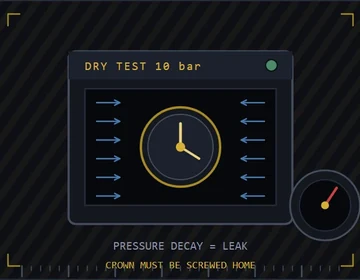
Water-resistance testers stress the case system safely compared with surprise rain. Dry testers and wet testers each have methods; follow the machine’s procedure and the watch’s rated limits.
A pass is a snapshot, not a lifetime warranty. Gaskets age. Crowns loosen. Retest after case work, not only when a customer complains.
Never exceed the case’s sensible test pressure. ‘Extra’ pressure can deform seals and create the leak you hoped to prevent.
What matters about it
- Testing validates assembly, it does not create resistance
- Gaskets and seats must be correct before testing
- Method must match the tester type
- Records help when customers return
- Over-testing can damage cases
Practical notes
- Replace disturbed gaskets before any pressure test.
- Dry the watch thoroughly after wet tests.
- Confirm crown position for screw-down systems.
- Retest after crystal or case-back work.
More in Testing & Regulation
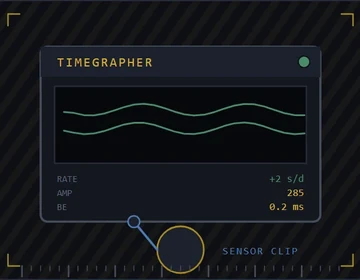
The Timegrapher That Turns Tick Sounds into Numbers
Rate, amplitude and beat error on a screen — use it to guide judgement, not to replace understanding.
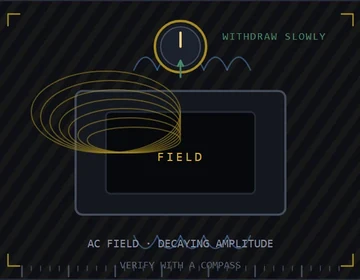
The Demagnetizer That Frees Sticky Hairsprings
Residual magnetism slows or stops mechanical watches — a quick demagnetising pass is cheap insurance after service.
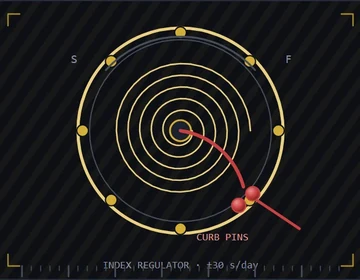
The Regulating Tool for Honest Rate Tweaks
Move the regulator index with control — bending a hairspring to ‘fix’ rate is how watches get worse.
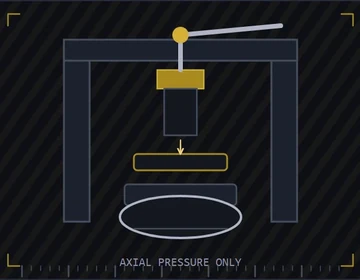
The Case Press That Closes Snaps Without Drama
Even pressure seats crystals and snap backs — hammers leave oval cases and cracked sapphire.