The Regulating Tool for Honest Rate Tweaks
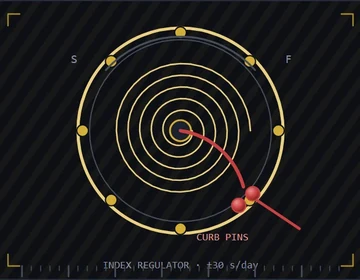
Move the regulator index with control — bending a hairspring to ‘fix’ rate is how watches get worse.
Specification
| Adjustment types | Index regulator · timing screws · weights |
|---|---|
| Typical sensitivity | A few seconds per day per small movement |
| Index range | ±30 s/day typical |
| Free-sprung range | Broader, and more stable |
| Beat error adjustment | Hairspring stud position |
| Tooling | Regulator tool, screwdriver, tweezers |
| Measurement | Requires a timegrapher |
| Positions | Regulate across the range, not one position |
Overview
Regulating tools engage the index or curb pins so you can alter effective hairspring length without drama. Small moves, then measure. Large moves create large regrets.
Regulation assumes the watch is otherwise healthy. Low amplitude, magnetism and oil problems will not vanish because you nudged the index. Fix causes first.
Know your regulator type. Some modern systems use micro-adjusters; others are classic boot regulators. The wrong tool slips and scars.
What matters about it
- Health first, regulation second
- Tiny adjustments, fresh measurements
- Tool fit prevents scarred indexes
- Position rates matter more than one lucky reading
- Document before/after for your own learning
Practical notes
- Demagnetise and confirm amplitude before fine regulation.
- Adjust, wait for a stable trace, then adjust again.
- Do not chase every second — aim for consistent positions.
- Keep the tool aligned so it cannot slip into the hairspring.
More in Testing & Regulation
The Timegrapher That Turns Tick Sounds into Numbers
Rate, amplitude and beat error on a screen — use it to guide judgement, not to replace understanding.
The Water-Resistance Test Before You Promise a Seal
Pressure or vacuum checks catch leaks on the bench — marketing depths mean nothing without a test.
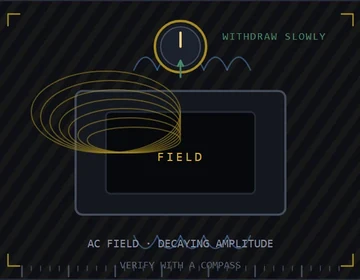
The Demagnetizer That Frees Sticky Hairsprings
Residual magnetism slows or stops mechanical watches — a quick demagnetising pass is cheap insurance after service.
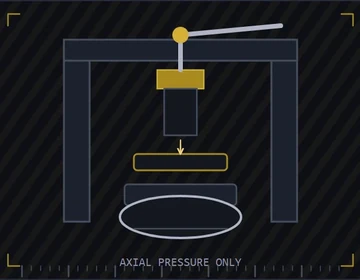
The Case Press That Closes Snaps Without Drama
Even pressure seats crystals and snap backs — hammers leave oval cases and cracked sapphire.