
The Case Press That Closes Snaps Without Drama
Even pressure seats crystals and snap backs — hammers leave oval cases and cracked sapphire.
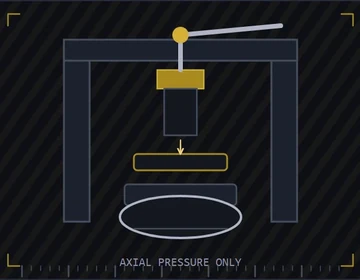
Specification
| Types | Lever press · screw press |
|---|---|
| Die range | 10 – 60 mm |
| Die material | Nylon, Delrin, or steel |
| Typical sets | 12 – 24 dies |
| Force application | Axial, manual |
| Crystal pressing | Supported with flat dies |
| Case support | By band or lugs |
| Bench footprint | Small — a press is a bench-top tool |
Overview
A case press applies controlled, centred force through matched dies. Snap backs and crystals need that even load. Side pressure cracks crystals and balloons case mouths.
Die selection is the skill. Too small concentrates force; too large rides bezels. Pad where finishes must survive.
After pressing, inspect the seal line and retest water resistance when claimed. The press finishes the mechanical step, not the proof.
What matters about it
- Centred force prevents cracks
- Die match protects bezels and crystals
- Padding saves polished metal
- Pressing is not a substitute for correct gaskets
- Inspect after every close
Practical notes
- Dry-fit dies before applying pressure.
- Increase force gradually while watching alignment.
- Stop if the crystal tilts — reseat rather than force.
- Clean dies so grit does not print into cases.
More in Testing & Regulation
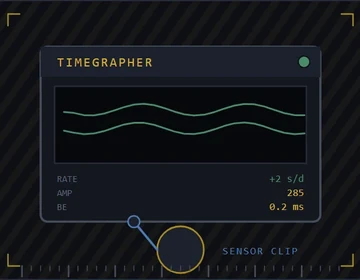
The Timegrapher That Turns Tick Sounds into Numbers
Rate, amplitude and beat error on a screen — use it to guide judgement, not to replace understanding.
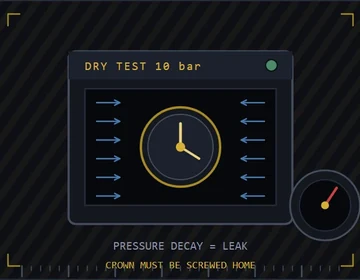
The Water-Resistance Test Before You Promise a Seal
Pressure or vacuum checks catch leaks on the bench — marketing depths mean nothing without a test.
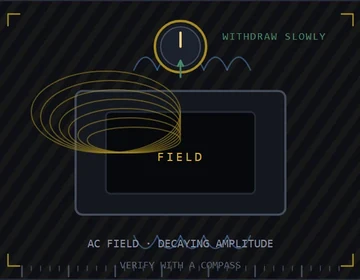
The Demagnetizer That Frees Sticky Hairsprings
Residual magnetism slows or stops mechanical watches — a quick demagnetising pass is cheap insurance after service.
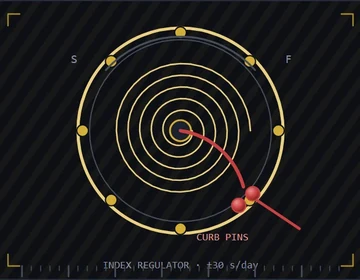
The Regulating Tool for Honest Rate Tweaks
Move the regulator index with control — bending a hairspring to ‘fix’ rate is how watches get worse.