
The Grease That Quietens Keyless Works
Thicker lubricants for stems, clicks and high-load contacts — not a substitute for oil in jewel holes.
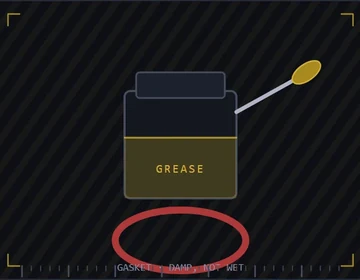
Specification
| Application points | Barrel wall · gaskets · winding parts |
|---|---|
| Consistency | High viscosity, non-running |
| Temperature range | −20 °C to +70 °C typical |
| Water resistance | Formulated to resist washout |
| Shelf life, sealed | 3 – 5 years |
| Coverage, barrel | Thin film on wall and spring faces |
| Coverage, gasket | Very light film |
| Base | Synthetic with thickener |
Overview
Grease stays put where oil would run. Keyless works, winding clicks, cannon pinions and some setting components need that staying power. Use it where sliding load is high and motion is infrequent.
The failure mode is laziness: greasing jewels ‘because it lasts longer’. Grease in a balance jewel is a slow stop. Learn the map of oil versus grease for each caliber family you service.
A little film beats a white smear you can see from across the bench.
What matters about it
- Place matters more than product story
- Grease is for load and retention, not for oscillators
- Compatibility with plastics and coatings varies
- Clean old grease fully before renewing
- Tiny amounts still do the job
Practical notes
- Keep a dedicated spatula or probe for grease only.
- Never put barrel grease in jewel sinks.
- Check stem feel after greasing — sticky is not smooth.
- Replace contaminated pots; grit in grease is permanent.
More in Lubricants & Cleaning
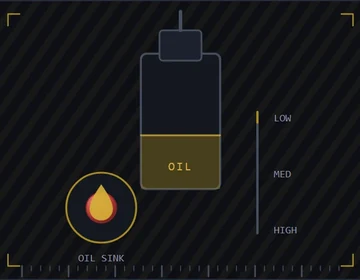
The Watch Oil That Belongs in Drops, Not Floods
Low-viscosity oils for jewels and pivots — quantity is the skill, chemistry is only half the story.
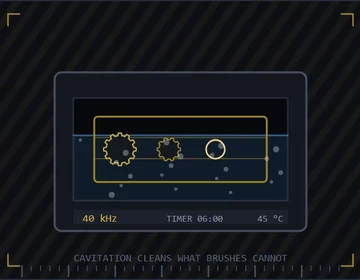
The Ultrasonic Cleaner That Shakes Dirt Loose
Cavitation reaches places brushes miss — used carefully it saves hours; used blindly it ruins finishes.
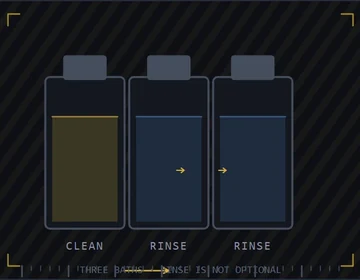
The Cleaning Solution That Actually Removes Old Oil
Solvent blends dissolve sludge from plates and wheels — rinse chains matter as much as the first bath.
The Cleaning Basket That Keeps Parts in Order
Compartments survive the ultrasonic cycle so reassembly order does not become a puzzle on the towel.