
The Cleaning Solution That Actually Removes Old Oil
Solvent blends dissolve sludge from plates and wheels — rinse chains matter as much as the first bath.
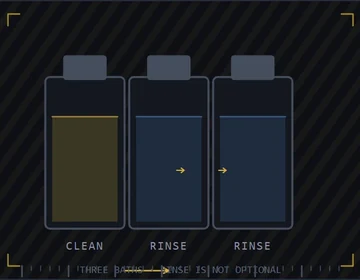
Specification
| Types | Hydrocarbon · aqueous · alcohol rinse |
|---|---|
| Bath stages | Clean · rinse · rinse · dry |
| Working temperature | Ambient to 60 °C |
| Typical soak | 3 – 10 minutes per bath |
| Shelf life, sealed | 1 – 3 years |
| Flash point | Varies — check the product |
| Disposal | As chemical waste |
| Container | Glass or solvent-rated plastic |
Overview
Cleaning solutions are chosen to dissolve aged oil and dirt without attacking the metal you mean to save. One bath rarely finishes the job: wash, rinse and dry stages each earn their place.
Compatibility is everything. A solution that is fine on brass may attack shellac or certain coatings. Read the label like a service manual, not like marketing.
Spent solution is hazardous waste, not sink water. Plan disposal before you open the bottle.
What matters about it
- Match chemistry to soil and material
- Rinses remove residue that becomes new dirt
- Contamination shortens bath life fast
- Labelling prevents mixing incompatible baths
- Clean parts oil better and run quieter
Practical notes
- Keep baths covered when idle.
- Filter or replace when solids build up.
- Do not mix unknown leftovers into a ‘super bath’.
- Allow full drying before inspection under light.
More in Lubricants & Cleaning
The Watch Oil That Belongs in Drops, Not Floods
Low-viscosity oils for jewels and pivots — quantity is the skill, chemistry is only half the story.
The Grease That Quietens Keyless Works
Thicker lubricants for stems, clicks and high-load contacts — not a substitute for oil in jewel holes.
The Ultrasonic Cleaner That Shakes Dirt Loose
Cavitation reaches places brushes miss — used carefully it saves hours; used blindly it ruins finishes.
The Cleaning Basket That Keeps Parts in Order
Compartments survive the ultrasonic cycle so reassembly order does not become a puzzle on the towel.