
The Cleaning Basket That Keeps Parts in Order
Compartments survive the ultrasonic cycle so reassembly order does not become a puzzle on the towel.
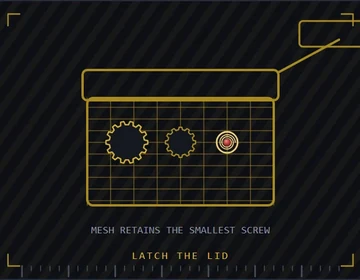
Specification
| Material | Stainless steel mesh |
|---|---|
| Mesh size | Fine enough for the smallest screw |
| Diameter | 50 – 90 mm |
| Lid | Latching, mesh |
| Compartments | Single or divided |
| Compatibility | Ultrasonic tanks and jars |
| Drying | Permits draining and forced air |
| Capacity | One movement at a time |
Overview
Cleaning baskets hold bridges, wheels and screws in segregated pockets through wash cycles. Order is memory: if parts stay sorted, rebuild speed rises and missing screws become obvious early.
Mesh size must keep small parts in without blocking cavitation. Overloaded pockets clean poorly and tangle pivots.
Treat the basket as part of your documentation. A consistent packing pattern across jobs reduces mistakes.
What matters about it
- Segregation prevents lost geometry
- Mesh and lid security stop escapes
- Overfilling defeats cleaning
- Compatible materials survive solvents
- Repeatable layout speeds rebuilds
Practical notes
- Photograph the movement before strip if you are new to the caliber.
- Close lids fully — ultrasonic motion launches loose lids.
- Rinse baskets themselves; dirty mesh recontaminates.
- Keep a spare basket for heavily soiled case parts.
More in Lubricants & Cleaning
The Watch Oil That Belongs in Drops, Not Floods
Low-viscosity oils for jewels and pivots — quantity is the skill, chemistry is only half the story.
The Grease That Quietens Keyless Works
Thicker lubricants for stems, clicks and high-load contacts — not a substitute for oil in jewel holes.
The Ultrasonic Cleaner That Shakes Dirt Loose
Cavitation reaches places brushes miss — used carefully it saves hours; used blindly it ruins finishes.
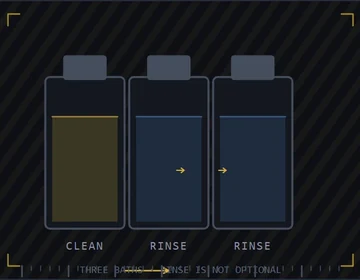
The Cleaning Solution That Actually Removes Old Oil
Solvent blends dissolve sludge from plates and wheels — rinse chains matter as much as the first bath.