The Case Opener That Leaves Bezels Unscarred
Snap backs, screw backs and bayonets each need a different bite — the right opener saves cases you cannot replace.
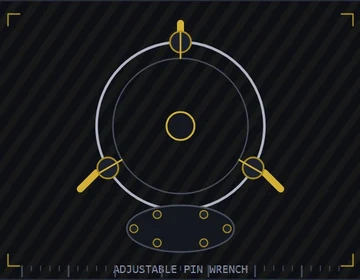
Specification
| Types | Jaxa wrench · lever knife · pneumatic press |
|---|---|
| Adjustable range | 16 – 60 mm (pin wrench) |
| Pin count | 2 – 3 (adjustable) |
| Notch compatibility | 2, 3, 4, 6 and 8-notch backs |
| Blade material | Hardened steel or brass |
| Case holder | Recommended with all types |
| Typical clearance | 0.1 – 0.3 mm at the seam |
| Screw-down torque | Low — the gasket does the sealing |
Overview
Opening a case is where cosmetic damage begins. A fitted blade for snap backs, proper jaws for screw backs, and controlled torque for bayonet systems keep the metal honest. Improvised knives leave witness marks that outlive the service.
Support the case properly. Twisting against soft lugs or crystal edges is how ‘simple battery changes’ become refinishing jobs. Read the case construction before you commit to a tool.
After opening, protect the gasket and seating surfaces. Dirt trapped on a resealed back defeats the whole exercise.
What matters about it
- Case type dictates tool type — no universal pry bar
- Support and alignment prevent ovalised backs
- Gasket condition is part of the opening job
- Marks on precious metal are expensive apologies
- Controlled force beats sudden force
Practical notes
- Identify snap versus screw-back before touching metal.
- Clean the case-back groove before closing.
- Replace crushed gaskets instead of ‘making them seal’.
- Pad jaws when working on polished precious metals.
More in Hand Tools & Tweezers
The Dumont Tweezers Every Bench Eventually Owns
Tip number, steel and alignment decide whether you place a screw or launch it — these are hands, not accessories.
The Screwdriver Set That Separates Screws from Ruined Slots
Blade width, tip dressing and vertical pressure decide whether a screw turns — or becomes scrap brass.
The Loupe You Should Buy Before Fancy Gadgets
Hands-free magnification turns guesswork into inspection — start at 2.5× or 4× and only climb when the surface demands it.
The Pin Punch Set for Spring Bars and Stubborn Pins
Sized punches move pins with control — the alternative is bent lugs and launched spring bars across the room.