The Pin Punch Set for Spring Bars and Stubborn Pins
Sized punches move pins with control — the alternative is bent lugs and launched spring bars across the room.
Specification
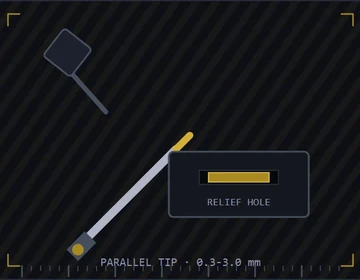
| Tip diameters | 0.3 – 3.0 mm |
|---|---|
| Typical set size | 6 – 12 punches |
| Tip profile | Parallel, flat face |
| Material | Hardened steel |
| Length | 80 – 120 mm |
| Support block | Required — steel or hardened block |
| Use | Pin removal, link sizing, arbor freeing |
| Strike | Light hammer only |
Overview
Pin punches drive out spring bars, lever pins and small rivets when leverage alone is wrong. Matching diameter to the pin protects shoulders and holes. A punch that is too small mushrooms the pin; one that is too large bruises the lug.
Use a proper block or support so force goes through the pin, not into twisting the case. Guide the punch square. Angled hits are how you invent new scratches.
Keep a few lengths and tips. One lonely punch tempts misuse.
What matters about it
- Diameter match is non-negotiable
- Support the work or you bend what you meant to free
- Square strikes prevent walking marks
- Dedicated tips for soft pins versus hardened pins
- Control matters more than hammer enthusiasm
Practical notes
- Start with light taps to confirm alignment.
- Catch spring bars as they exit — they travel.
- Do not use a punch as a screwdriver or pry bar.
- Dress mushroomed tips before they slip off pins.
More in Hand Tools & Tweezers
The Dumont Tweezers Every Bench Eventually Owns
Tip number, steel and alignment decide whether you place a screw or launch it — these are hands, not accessories.
The Screwdriver Set That Separates Screws from Ruined Slots
Blade width, tip dressing and vertical pressure decide whether a screw turns — or becomes scrap brass.
The Loupe You Should Buy Before Fancy Gadgets
Hands-free magnification turns guesswork into inspection — start at 2.5× or 4× and only climb when the surface demands it.
The Case Opener That Leaves Bezels Unscarred
Snap backs, screw backs and bayonets each need a different bite — the right opener saves cases you cannot replace.