
The Bench Magnifier That Frees Both Hands
A steady illuminated field turns long inspections into work you can finish — loupes still matter, this covers the rest.
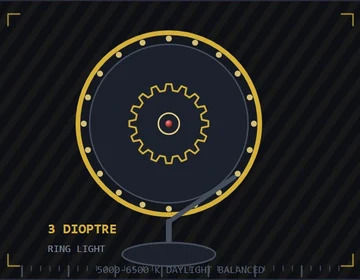
Specification
| Magnification | 1.5× – 5× (3 – 16 dioptre) |
|---|---|
| Lens diameter | 90 – 180 mm |
| Lens type | Glass or acrylic, sometimes achromatic |
| Illumination | LED ring, daylight balanced |
| Mount | Clamp, base, or articulated arm |
| Working distance | 150 – 300 mm |
| Power | Mains or USB |
| Colour temperature | 5000 – 6500 K typical |
Overview
A bench magnifier gives a broader, often lit field while both hands stay on tools. It will not replace a loupe for fine pivot work, but it shines for assembly checks, dial work and sorting parts.
Optical quality and colour of light decide fatigue. Harsh glare or cheap lenses make you lean in until your neck complains. Position the head so you look through the lens naturally, not around it.
Use it as a station, not a trophy. Clear the stand’s footprint so cables and oil cups are not fighting for space.
What matters about it
- Hands-free view for mid-scale tasks
- Lighting quality affects judgement of finish
- Ergonomics prevent the ‘leaning hour’
- Complements the loupe — does not replace it
- Stable base beats a wandering arm
Practical notes
- Set height before oiling so you are not chasing focus mid-job.
- Clean the lens on a schedule; fingerprints become permanent haze under light.
- Keep solvents away from plastic lenses.
- Use the loupe for pivots; use the bench glass for layout and assembly.
More in Hand Tools & Tweezers
The Dumont Tweezers Every Bench Eventually Owns
Tip number, steel and alignment decide whether you place a screw or launch it — these are hands, not accessories.
The Screwdriver Set That Separates Screws from Ruined Slots
Blade width, tip dressing and vertical pressure decide whether a screw turns — or becomes scrap brass.
The Loupe You Should Buy Before Fancy Gadgets
Hands-free magnification turns guesswork into inspection — start at 2.5× or 4× and only climb when the surface demands it.
The Case Opener That Leaves Bezels Unscarred
Snap backs, screw backs and bayonets each need a different bite — the right opener saves cases you cannot replace.