
The Gaskets That Quietly Decide Water Resistance
Elastomer rings at backs, crowns and crystals — flattened seals are leaks waiting for a rainy day.
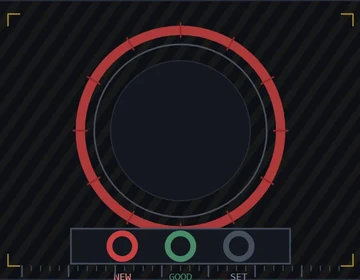
Specification
| Common materials | Nitrile · silicone · fluorocarbon |
|---|---|
| Profile | O-ring · flat · square section |
| Typical section | 0.4 – 1.2 mm |
| Typical ID range | 8 – 40 mm |
| Compression | 15 – 30 % of section |
| Service life | 2 – 5 years in service |
| Hardness | 50 – 70 Shore A typical |
| Lubrication | Light film of compatible grease |
Overview
Gaskets compress to block water and dust. Heat, time and over-compression set them into shapes that no longer seal. Reusing a tired gasket to ‘save’ a part is how fogged crystals happen.
Size and profile must match the groove. A gasket that sits proud or twisted will leak even when the case looks tight. Light grease where specified helps seating; paste everywhere helps nothing.
Treat gasket replacement as normal service consumable, not as an optional upgrade.
What matters about it
- Compression set kills seals
- Correct cross-section beats approximate diameter
- Clean grooves or dirt becomes a leak path
- Different positions need different profiles
- Testing validates the system after resealing
Practical notes
- Replace crystal, case-back and crown gaskets when disturbed.
- Do not stretch gaskets onto seats with sharp tools.
- Confirm orientation for shaped seals.
- Pressure-test when the watch claims water resistance.
More in Cases, Dials & Hands
The Stainless Case That Protects the Real Watch
Lugs, seals and seating surfaces decide water resistance and longevity — the movement only thrives if the shell does.
The Sapphire Crystal That Laughs at Keys — Not Hammers
Hard, clear and unforgiving to install wrong — sapphire resists scratches while demanding proper presses and gaskets.
The Dial You Protect Like a Finished Print
Indexes, printing and surface finish are unforgiving — one touch can turn a service into a refinishing project.
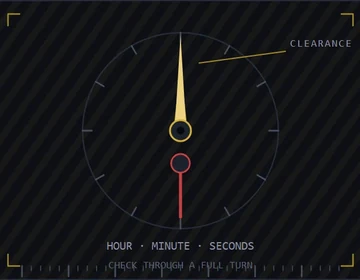
The Hands Set That Must Clear, Pipe and Point True
Hour, minute and seconds hands need height, parallel and pipe fit — interference here looks like a dying movement.