
The Stainless Case That Protects the Real Watch
Lugs, seals and seating surfaces decide water resistance and longevity — the movement only thrives if the shell does.
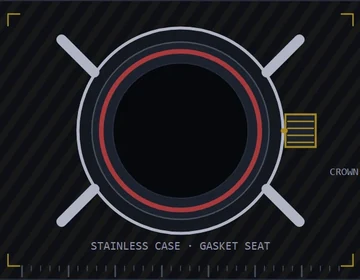
Specification
| Typical diameters | 28 – 44 mm |
|---|---|
| Material | Stainless steel, various grades |
| Water resistance | 30 m to 600 m by design |
| Back type | Screw-down · snap-fit · display |
| Lug width | 16 – 22 mm |
| Crystal fit | Friction, gasket, or screw-down ring |
| Crown | Push-in or screw-down |
| Finishing | Brushed · polished · blasted · coated |
Overview
The case is structural armour: mid-case, back, bezel and crystal working as a system. Scratches are cosmetic; distorted sealing surfaces are functional failures.
Service the case like a mechanism. Clean threads, inspect gasket grooves, check spring-bar holes for wear. A beautiful movement in a leaking case is still a failed job.
Know your steel. Finishing techniques differ, and aggressive polishing can erase edges that were meant to stay crisp.
What matters about it
- Sealing surfaces matter more than shine
- Thread condition affects back torque and future service
- Lug wear shows up as loose straps first
- Case geometry controls hand and dial clearance
- Water resistance is a system test, not a sticker
Practical notes
- Clean gasket grooves before every close.
- Replace deformed backs rather than forcing them round.
- Protect polished faces while working on the movement.
- Verify case-back marks against the correct opener.
More in Cases, Dials & Hands
The Sapphire Crystal That Laughs at Keys — Not Hammers
Hard, clear and unforgiving to install wrong — sapphire resists scratches while demanding proper presses and gaskets.
The Dial You Protect Like a Finished Print
Indexes, printing and surface finish are unforgiving — one touch can turn a service into a refinishing project.
The Hands Set That Must Clear, Pipe and Point True
Hour, minute and seconds hands need height, parallel and pipe fit — interference here looks like a dying movement.
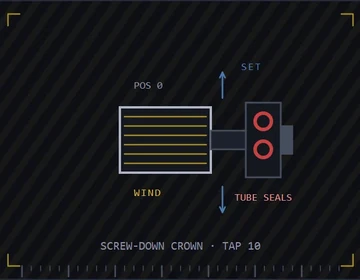
The Crown That Winds, Sets and Seals
Outside it is a knob; inside it is stem clutch, gasket and tube — wear here feels like a tired movement.