
The Dial You Protect Like a Finished Print
Indexes, printing and surface finish are unforgiving — one touch can turn a service into a refinishing project.
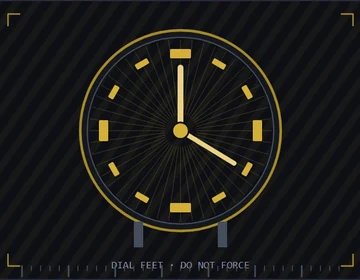
Specification
| Typical diameter | 22 – 38 mm |
|---|---|
| Substrate | Brass, sometimes with a base plate |
| Finishes | Sunburst · guilloché · lacquer · matte · plated |
| Indices | Applied · printed · painted |
| Luminous | Strontium aluminate (modern) |
| Feet | 2 – 4 posts, dial-foot clamped or screwed |
| Thickness | 0.3 – 0.6 mm |
| Hole | Centre hole sized to the cannon pinion |
Overview
The dial is what the owner reads every day. Feet, washers and hand stacks must land without forcing. A bent dial foot is a quiet disaster that shows up as a tilted face.
Handle dials by the edges with clean fingers or gloves. Dust becomes permanent under hands. Moisture spots ruin textures that cannot be polished out.
When removing hands, support the dial properly. Pressure through the dial face is how you create the dent you will explain later.
What matters about it
- Surface finish is essentially irreplaceable in small shops
- Dial feet alignment decides seating
- Hand removal technique protects the face
- Cleanliness is part of assembly, not optional polish
- Aftermarket dials vary wildly in foot quality
Practical notes
- Bag dials in compartments that cannot rub printed surfaces.
- Check foot length before forcing a dial onto a movement.
- Blow dust away; do not wipe aggressively across printing.
- Confirm chapter ring alignment before pressing hands.
More in Cases, Dials & Hands
The Stainless Case That Protects the Real Watch
Lugs, seals and seating surfaces decide water resistance and longevity — the movement only thrives if the shell does.
The Sapphire Crystal That Laughs at Keys — Not Hammers
Hard, clear and unforgiving to install wrong — sapphire resists scratches while demanding proper presses and gaskets.

The Hands Set That Must Clear, Pipe and Point True
Hour, minute and seconds hands need height, parallel and pipe fit — interference here looks like a dying movement.
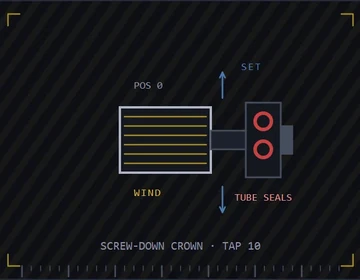
The Crown That Winds, Sets and Seals
Outside it is a knob; inside it is stem clutch, gasket and tube — wear here feels like a tired movement.